

World’s first AI-powered timber design software
Brainpool partnered with Staircraft Group, the UK’s largest timber floor and stair manufacturer, to develop DAISY AI — an AI-powered timber design tool that automates floor layouts and helps designers produce efficient, compliant designs in minutes.
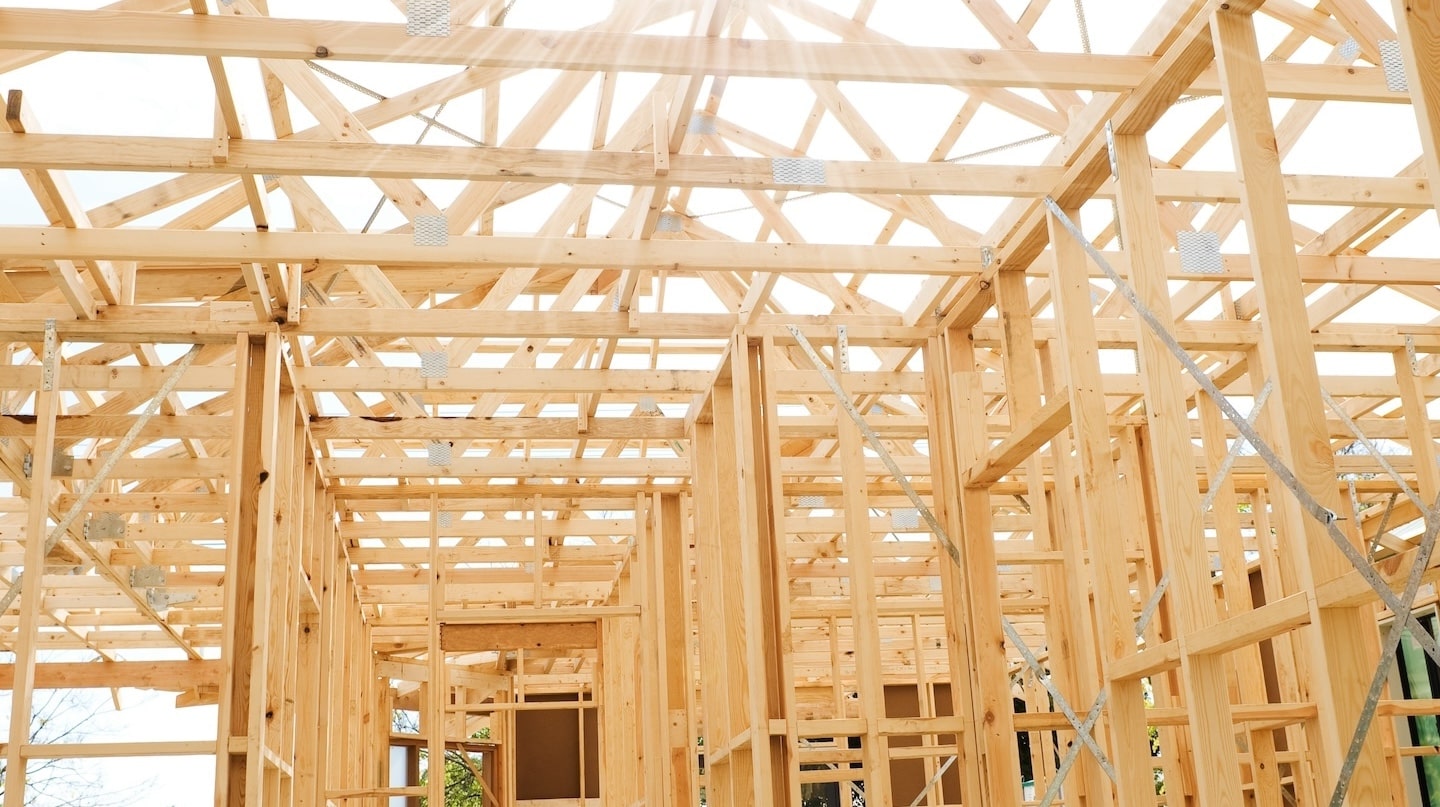
The project at a glance
The challenge
Scaling timber floor design
Staircraft received a high volume of requests for timber floor designs and quotations, but each design required specialist knowledge and manual work. Even an experienced designer could typically produce only 2–3 designs on a good day.
This limited Staircraft’s ability to respond to demand and pursue new business. Expanding the design team was not a practical long-term solution. Staircraft needed a scalable way to increase design capacity and improve material efficiency without proportionally increasing headcount.
Three challenges stood in the way:
Recruitment and retention
Finding and retaining experienced designers was difficult.
Design efficiency
Layouts that met technical requirements did not always minimise timber use, material costs or waste.
Limited capacity
Manual design processes restricted how many requests each designer could handle.
The solution
DAISY AI
Brainpool began with a scoping programme to identify an AI approach capable of producing valid, compliant timber floor designs.
The challenge was complex: a single rectangular floor plan can have approximately 50,000 possible design combinations, with further complexity introduced by pillars, staircases and irregular layouts.
DAISY uses a genetic algorithm to explore potential layouts and identify suitable designs, reducing the need for designers to assess every option manually — an example of how AI is changing design in the construction sector.
From proof of concept to production
The initial proof of concept aimed to generate valid designs for simpler floor plans in under an hour. Following successful testing, Brainpool and Staircraft developed a web application that enables multiple users to generate designs in under 10 minutes with the click of a button.
This automates much of the standard design work, allowing experienced designers to focus on more complex layouts that require their expertise. The project highlights how AI can support the construction industry by automating complex design processes and improving operational efficiency.
How DAISY works:
The outcome
Greater design capacity
DAISY gives Staircraft a way to handle more design requests, reduce repetitive manual work and improve the efficiency of timber floor layouts. For another example of technology supporting more sustainable construction decisions, explore Brainpool’s carbon calculator project with Quebec Wood Export Bureau.
Expanding into new markets
According to the project information, after two years in the UK market, DAISY was designing 12% of floors in the UK residential timber housing market.
In 2023, the platform launched in Canada and began pilot testing with North American firms.
The underlying optimisation technology could also be adapted for other construction elements, including stairs, walls and roofs. Future development will focus on improving performance and addressing emerging industry needs.
DAISY demonstrates how AI-powered design automation can help construction businesses scale specialist processes while keeping human expertise at the centre.
Discover more: daisy.ai
Key benefits include:
Increased productivity
Automating standard designs helps the team handle more requests with existing resources.
More efficient material use
Design optimisation can help reduce unnecessary timber consumption and associated costs.
More time for complex work
Designers can focus on projects requiring specialist knowledge and judgement.
We think DAISY will increase our productivity by about 100% — so we will get twice as many floors designed as we could do with the resources we have.
FAQ
Frequently asked questions
What is DAISY AI?
DAISY AI (Design AI Systems) is an AI-powered timber floor design tool developed by Brainpool and Staircraft Group to automate the generation of floor layouts and help designers identify efficient, compliant designs.
How does AI help automate timber floor design?
DAISY uses a genetic algorithm to explore potential floor layout combinations and identify suitable designs. This can reduce the manual effort involved in producing standard layouts and help designers respond to requests more efficiently.
How quickly can DAISY generate a timber floor design?
The web application was developed to generate new designs in under 10 minutes. The time required can depend on the complexity of the design and the relevant requirements.
How can AI design optimisation help reduce timber waste?
Exploring different layout combinations can help identify designs that use timber more efficiently. Actual material savings depend on the project, the design constraints and the solution selected.
Does AI replace timber design expertise?
DAISY is intended to automate standard, repetitive design work and support the existing design team. This allows experienced designers to devote more attention to complex layouts and decisions that require their specialist knowledge. See also AI in construction.
Related links
Keep exploring

Design Process Automation
Automate repetitive design work so your creative team focuses on what matters.
Read more
Optimisation
Optimisation models that find better schedules, routes and resource plans than rules of thumb.
Read more
AI Use Cases in Construction
The five highest-impact AI applications in construction, and how to get them past the pilot stage.
Read more
LLM-powered quotations & reporting
A case study: an LLM that uses 10 years of quotation history to produce construction quotes automatically.
Read moreReady to explore what's possible?
You don't need a finished AI strategy.
Bring a challenge, opportunity or question. We'll explore where AI could create practical value for your business.
Book a 30-minute AI consultancy callNo preparation needed. 30 minutes.
What happens on the call?
Understand — we learn about your business, priorities and challenges.
Explore — we identify where AI could create practical value.
Next steps — we discuss sensible next steps based on what you've told us.